The deodorant incident
There are certain things I expected from getting older. A few wrinkles. Gray hairs. Maybe needing reading glasses eventually.
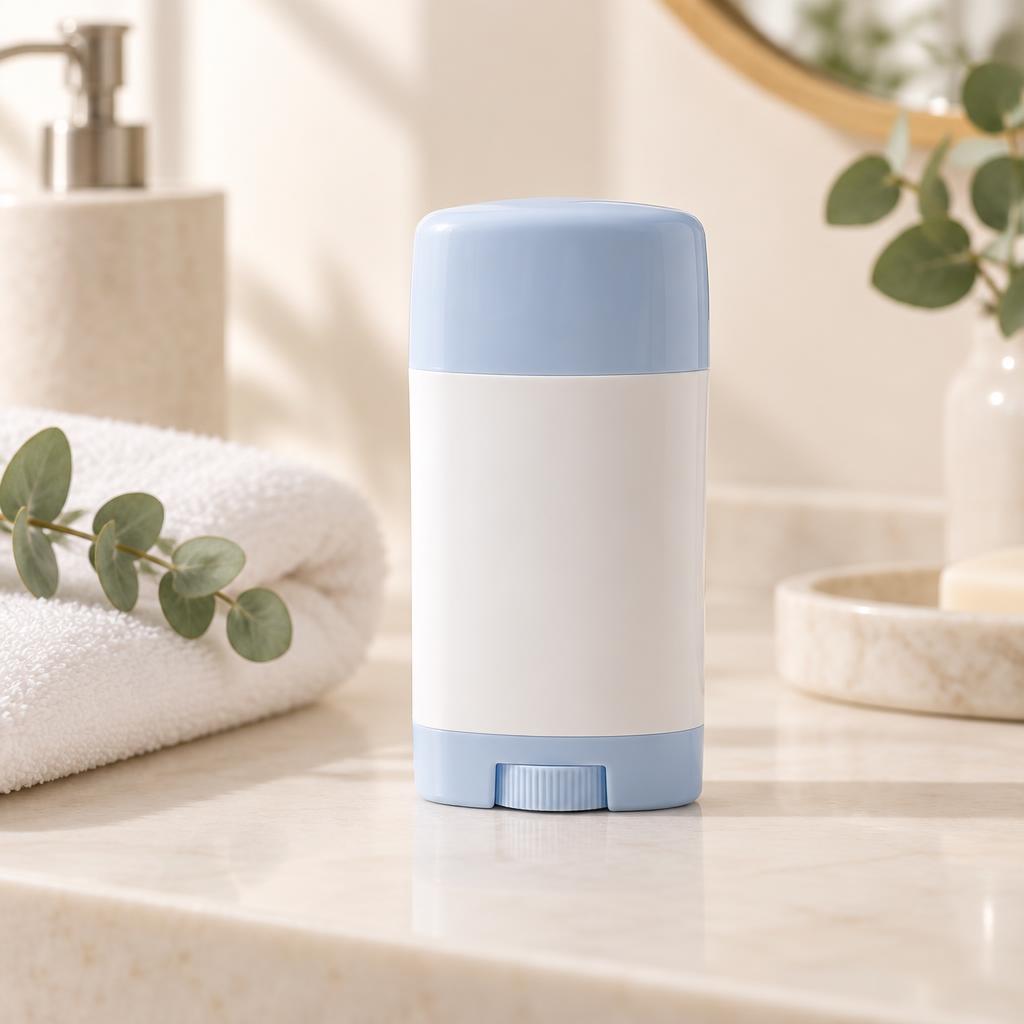
What I did not expect was to wake up one day and realize that apparently my deodorant — the same deodorant that has faithfully done its job for years — had simply given up.
Like, excuse me? I showered. I put deodorant on. I was not running a marathon. Why do I smell like I have been working construction in August?
Welcome, apparently, to perimenopause.
First: yes, perimenopause can change your body odor
This is actually a thing. During perimenopause, estrogen and progesterone start fluctuating. Those hormonal changes can affect your body's temperature regulation, which means you may sweat more — sometimes without even realizing it.
And sweat itself isn't really the smelly part. The odor happens when sweat interacts with bacteria living on your skin. So if hormones suddenly have you sweating differently or more frequently, the deodorant you've used since approximately 2004 may suddenly seem completely inadequate.
Which feels especially unfair considering we are already dealing with children, work, laundry, bills, mysterious aches, and the fact that somebody in this house apparently believes empty snack wrappers belong next to the trash can instead of inside it.
Now I have to find industrial-strength deodorant too? Fantastic.
Update from the trenches: switching to a stronger antiperspirant is what actually helped me — the Secret one I use now is linked below, in case you'd like to skip the trial-and-error phase I went through.
"Maybe nothing is 'wrong.' Maybe nobody gave us the owner's manual."
But the body odor wasn't what really surprised me
Once I started paying attention, I realized there are a whole bunch of perimenopause symptoms nobody really talks about.
We hear about hot flashes, night sweats, and irregular periods. Okay. Fine. But those are apparently only the headliners.
There is an entire backstage crew of symptoms nobody bothered to mention.
Your joints can suddenly hurt
You wake up and your hips hurt. Your knees hurt. Your fingers feel stiff. You stand up after sitting for 20 minutes and walk like you're approximately 87 years old for the first six steps.
Lower and fluctuating estrogen levels are associated with musculoskeletal changes, and joint aches are commonly reported during the menopause transition.
So apparently there comes a point when getting off the couch requires a warm-up period. Good to know.
Headaches can change or get worse
Hormonal fluctuations can trigger headaches and may worsen migraines in people who already get them.
So if you're suddenly thinking 'why am I getting headaches all the time now?' — perimenopause deserves a spot on the list of possibilities.
Your heart can randomly feel like it's freaking out
Heart fluttering. Racing. That weird sensation where it feels like your heart just did a somersault inside your chest.
Palpitations can occur during perimenopause. They should still be discussed with a healthcare provider — because we shouldn't automatically blame every symptom on hormones — but they're another one of those symptoms that can make you think something is terribly wrong when hormones may be contributing.
You can get itchy for absolutely no reason
This one feels particularly insulting. Declining estrogen can contribute to drier, thinner skin, which can mean itching, irritation, stinging, dryness, and suddenly needing moisturizer in places that have never required moisturizer before.
And no, apparently scratching yourself like a Labrador all evening isn't just a charming new personality trait.
Your hair can start betraying you
Hair can become thinner, drier, less shiny, and more prone to shedding. Meanwhile, because life has a sense of humor, you may simultaneously start growing new facial hair.
So we're losing the hair we want and gaining the hair we don't want. Excellent system.
Your eyes can get dry
Dry, gritty, irritated eyes can occur during the menopause transition too. Some women also notice increased light sensitivity or occasional blurry vision.
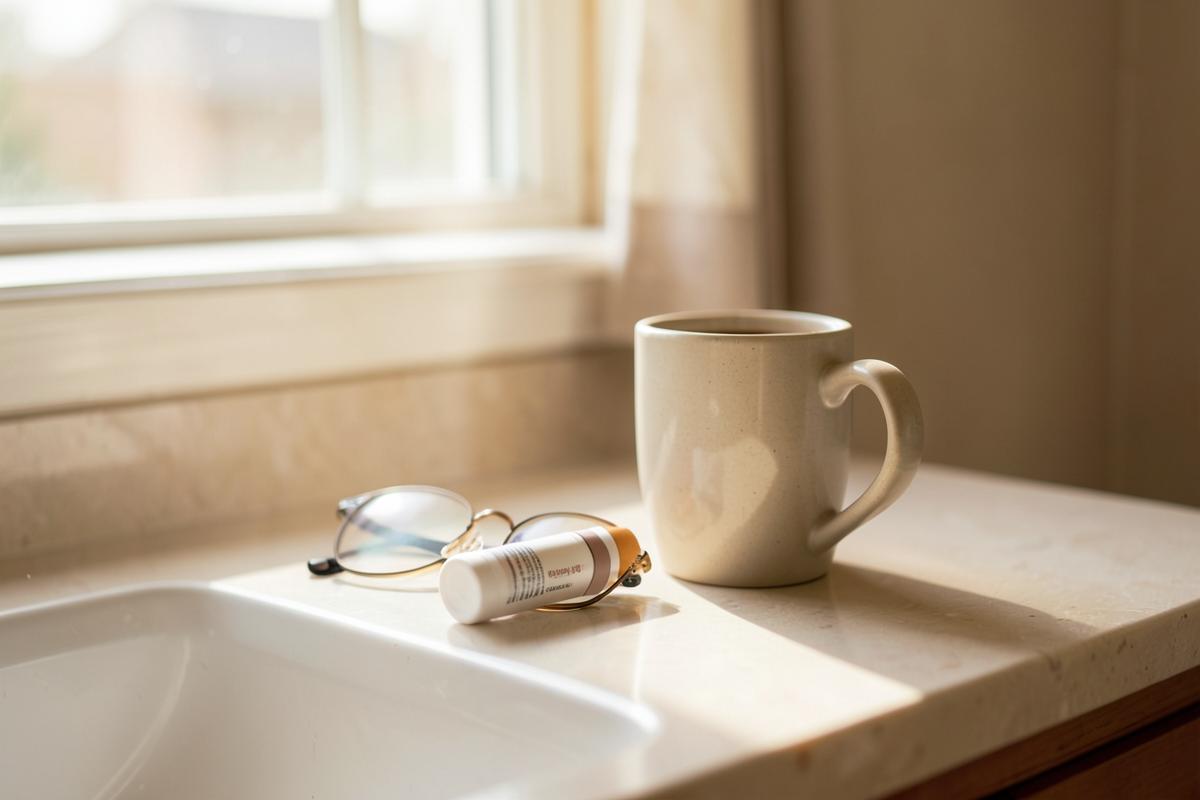
Which means if you've suddenly become the person carrying eye drops, reading glasses, and deodorant in her purse — congratulations. We have apparently entered a new era.
Your digestion can change
Constipation. Diarrhea. Bloating. Heartburn. Feeling like foods you've eaten your entire life suddenly have opinions about you.
Hormones interact with the gastrointestinal system too, so changing estrogen levels may contribute to changes in digestion and bowel habits.
You can suddenly feel anxious when you were never an anxious person
This one deserves much more attention. Perimenopause can be associated with new or worsening anxiety, irritability, mood changes, feelings of being overwhelmed, and panic symptoms.
And sometimes it doesn't feel like sadness or obvious anxiety. Sometimes it feels like 'everybody needs to stop talking to me immediately.' Or: 'why is the sound of someone chewing suddenly making me reconsider every relationship I've ever had?'
Hormones don't excuse everything. But understanding that hormonal fluctuations may be turning up the volume on your nervous system can at least help explain why everything suddenly feels louder.
Your brain can just… stop cooperating
You walk into a room. No idea why you're there. You open your phone to do something. Gone. You are talking to someone and the completely ordinary word you need disappears from your brain.
'You know… the thing… that you put the… thing in.' The dishwasher. You meant the dishwasher.
Memory lapses, difficulty concentrating, losing focus, and problems organizing tasks are all recognized menopause-transition symptoms. Which is particularly convenient during the exact phase of life when many women are simultaneously juggling kids, careers, aging parents, households, and approximately 746 appointments.
You might get random tingling — or even 'electric zaps'
Apparently this exists too. Some women experience brief tingling, pins-and-needles sensations, or strange electrical 'zaps' during the menopause transition.
If I had experienced that without knowing it was possible, I would have immediately assumed my nervous system was shutting down.
Why did nobody tell us this?
Seriously. Women have been going through menopause since women have existed. Yet somehow most of us entered our 40s knowing: hot flashes, period stops, the end.
Meanwhile the actual experience can look more like: 'My armpits smell different, my hip hurts, I can't remember the word refrigerator, my eyes are dry, I'm awake at 3:17 a.m., my heart just fluttered, somebody chewing crackers is making me irrationally angry, and somehow I have developed one incredibly determined chin hair.'
And then we wonder: what is wrong with me?
Maybe nothing is 'wrong.' Maybe nobody gave us the owner's manual.
One important caveat
Not every weird thing that happens in your 40s is perimenopause.
Changes in body odor, sweating, heart rate, fatigue, headaches, and other symptoms can have causes completely unrelated to hormones. A sudden or dramatic change in body odor — particularly one that persists — is worth discussing with your healthcare provider. Certain medications and medical conditions can also change sweating or body odor.
And new chest pain, significant palpitations, neurological symptoms, or other concerning symptoms shouldn't automatically be written off as hormones.
Perimenopause may explain a lot. It doesn't explain everything.
So this is what we're going to talk about here
Not just hot flashes. All of it. The symptoms nobody mentioned. The products that suddenly stop working. The body that seems to change the rules without notifying us. The things we're Googling at 11:30 at night while wondering whether we're dying, aging, or just really tired.
And hopefully we'll figure out what actually helps. Because if we're going through this anyway, we might as well talk about it. Preferably over coffee. Probably while wearing stronger deodorant.